AEA Student Support & Services
El Dorado SELPA
The El Dorado County Charter Special Education Local Plan Area (SELPA) is a statewide organization led by representatives from its member charter partners.
SELPA Parent Resources
These resources are designed to empower parents to partner confidently with schools and make informed decisions for their child.
What is an IEP?
Here you will find helpful information to better understand the IEP process, team members, and your role in developing a plan for your child.
Learn more information about your rights and protections in the IEP process — including how to access your child’s education records, participate in decisions, give or withhold consent, request independent evaluations…etc.
Additional Information about IEPs
Here, you will have access to easy-to-understand short videos and tools that explain the IEP process and help families participate confidently in their child’s education.
6 GUIDING PRINCIPLES of Individuals with Disability Act (IDEA)
Free Appropriate Public Education
IDEA guarantees that each child with a disability, eligible for special education, will be entitled to free appropriate public education (FAPE).
-
Free requires that the education of each child with a disability must be provided at public expense and at no cost to the child’s parents.
-
Appropriate means that each child with a disability is exposed to an education that is “appropriate” for his or her needs.
-
Public refers to the public school system. The public school system must educate students with disabilities, respond to their individual needs, and help them plan for their future.
-
Education – IDEA is an education act that guarantees that eligible children with disabilities will receive a public education that includes special education and related services as directed by the child’s Individualized Education Program (IEP).
Appropriate Evaluation
IDEA requires that each child suspected of having a disability receive an evaluation that assesses all areas of suspected disability. An appropriate evaluation provides information to be used to determine the child’s eligibility for special education and related services associated with the child’s educational needs. As a note, a child may have a disability, but it is up to the evaluation team to determine if the disability has an impact on the child’s ability to access their education.
Individualized Education Program (IEP)
In order to ensure that students with disabilities receive an appropriate and individualized education, IDEA requires that, after drawing upon current evaluation information, the IEP team develops a written document, the IEP, designed to meet the unique educational needs of each student with disabilities.
Least Restrictive Environment (LRE)
IDEA guarantees that a child with a disability will receive a free appropriate public education in the least restrictive environment (LRE) when appropriate. This principle reflects the IDEA’s strong preference for educating students with disabilities in general education classes with access to the general education curriculum. Placement in the general education classroom is the first placement option the IEP team must consider.
Parent and Student Participation in Decision Making
This principle reinforces the belief that the education of children with disabilities is made more effective by strengthening the role of parents in the special education process. IDEA requires that parents (and students, as appropriate) participate in each step of the special education process. Students must be invited to participate in IEP meetings where transition services are to be discussed.
Procedural Safeguards
Procedural safeguards are a set of activities whose purpose is to ensure that:
-
The rights of children with disabilities and their parents are protected.
-
All information needed to make decisions about the provision of free appropriate public education to the student is provided to parents of children with disabilities and the student when appropriate.
-
Procedures (mediation and due process) are in place to resolve disagreements between parties.
Our Team
Anna Klin
Special Education Coordinator
Natalie Galusha-Hayes
Behavior Specialist
Shawn Powell
Elementary Literacy Interventionist
Laura Anderson
EL/Literacy Interventionist
Veronica LaRoche
Community Coordinator
Rita Gonzales
Student Advocate/Literacy Support Specialist

Mo Black
Student Advocate
Continuum of Special Education Services at AEA
AEA schools offer a comprehensive continuum of special education services designed to meet the diverse needs of our students. Through a range of supports, instructional settings, and related services, we work collaboratively with families to ensure each student receives individualized support that promotes access, growth, and success in their educational journey.
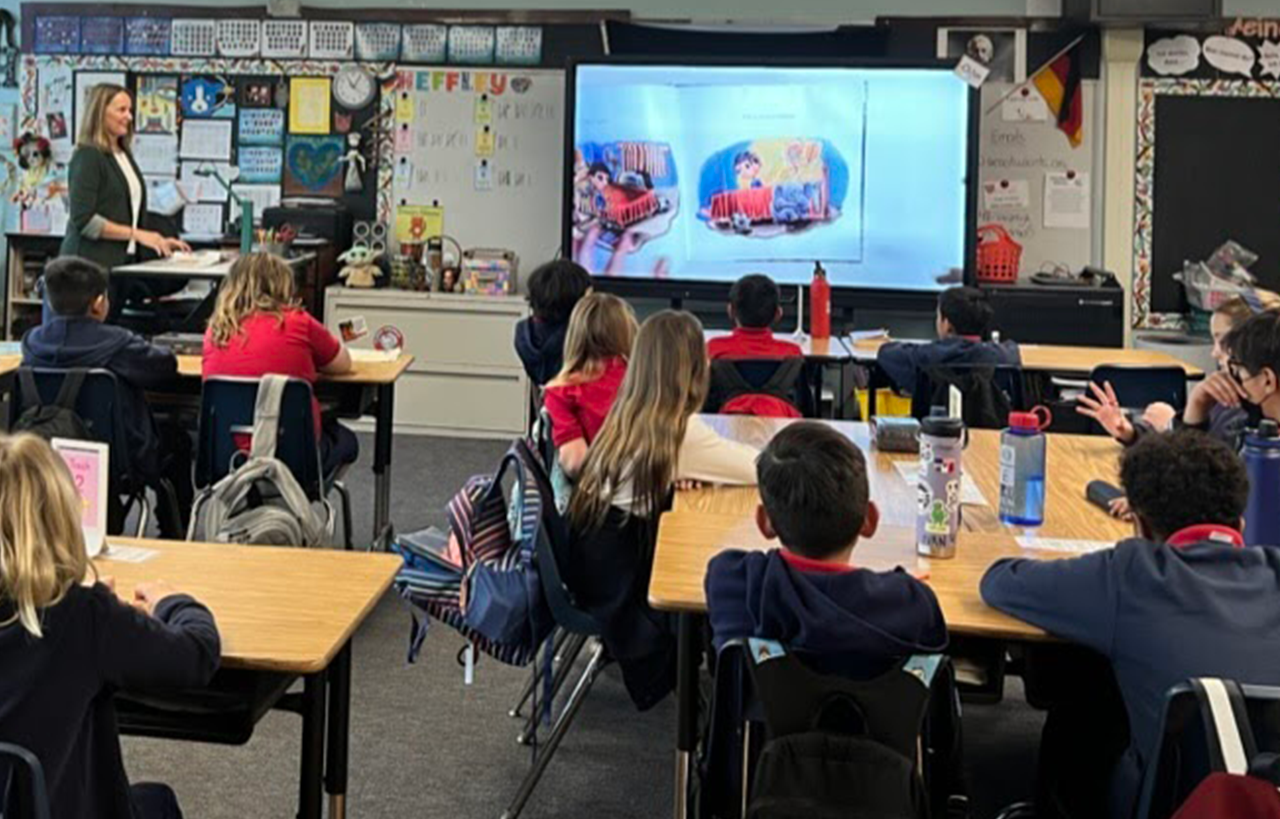
Special Education is a SERVICE, not a PLACE
Students with disabilities (SWD) are general education students first and foremost. SWD can be in general education classrooms without support. The goal of IDEA 2004 is to educate SWD with their non-disabled peers. IDEA 2004 and Common Core State Standards (CCSS) specify students with disabilities need to have access to the general education curriculum in the general education environment. Utilizing Universal Design for Learning (UDL), students with or without disabilities are provided meaningful ways for them to engage and access academic tools to support learning barriers that impact their ability to participate in their general education classroom.
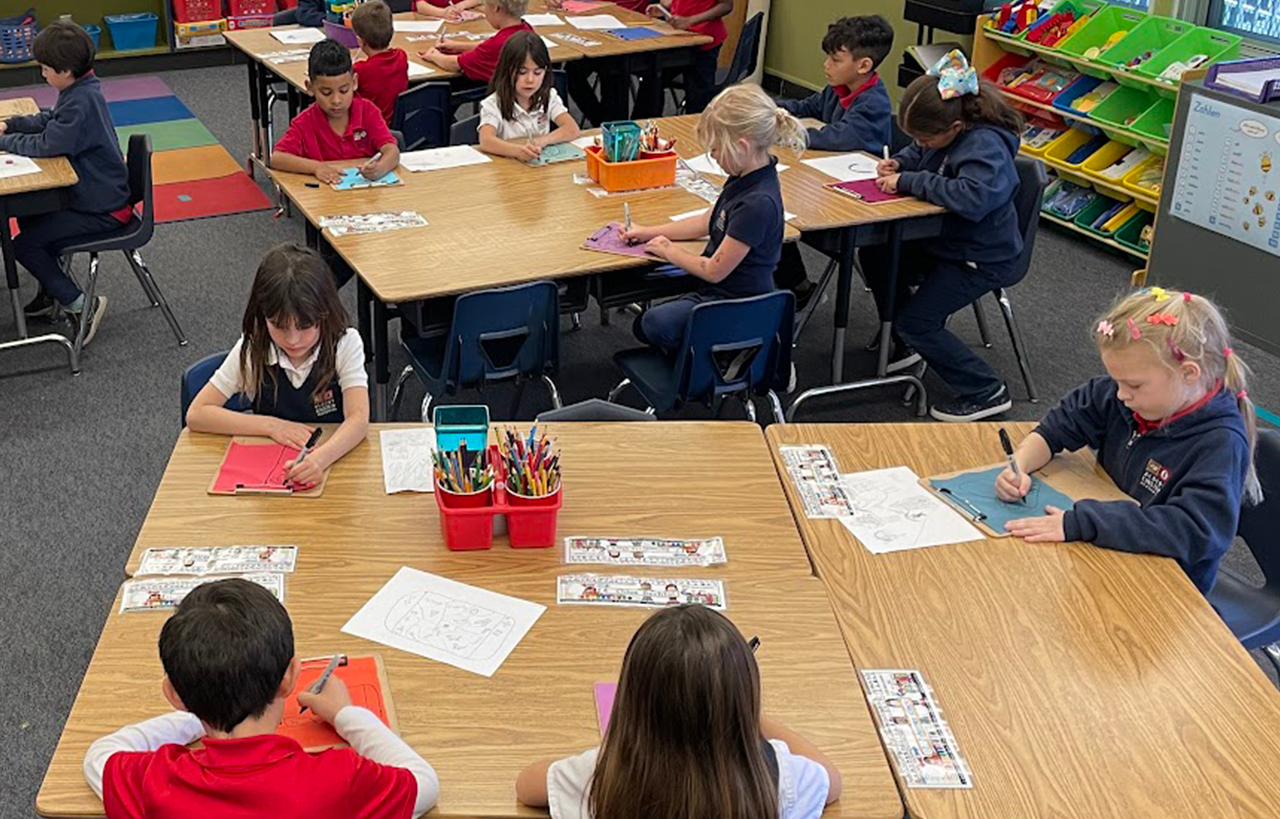
General Education Class (in-direct, consultation)
Students can access the curriculum in the general education classroom without any adult support. However, they require the need of accommodations and periodic check-ins from special education support staff (ed specialists or paraeducators). Ed specialists will consult and co-plan with general education teacher(s) to ensure accommodations and adapted materials/tools are in place to support the student’s academic and behavioral needs. General education teacher(s) have access to IEP supports and resources such as a quick guide to how to support students with Processing Deficits
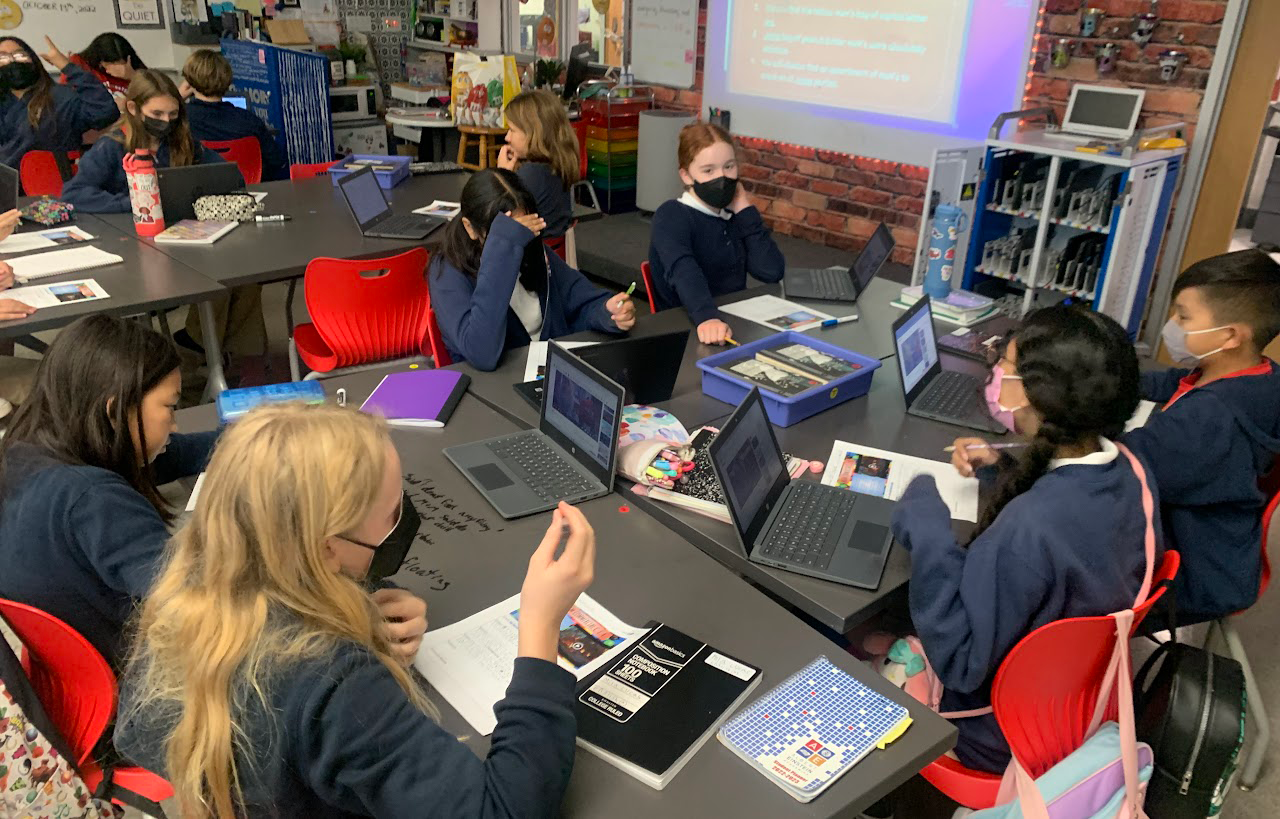
Collaboration (push-in support)
The general education classroom is supported by a special education support staff (paraeducator) daily or based on Specialized Academic Instruction (SAI) hours listed on a student’s Individualized Education Plan (IEP). SAI hours are listed as either minutes or hours per day or week in the general education environment.
Learning Center, Intervention Class (pull-out support)
Students with disabilities (SWD) are general education students first and foremost. SWD can be in general education classrooms without support. The goal of IDEA 2004 is to educate SWD with their non-disabled peers. IDEA 2004 and Common Core State Standards (CCSS) specify students with disabilities need to have access to the general education curriculum in the general education environment. Utilizing Universal Design for Learning (UDL), students with or without disabilities are provided meaningful ways for them to engage and access academic tools to support learning barriers that impact their ability to participate in their general education classroom.
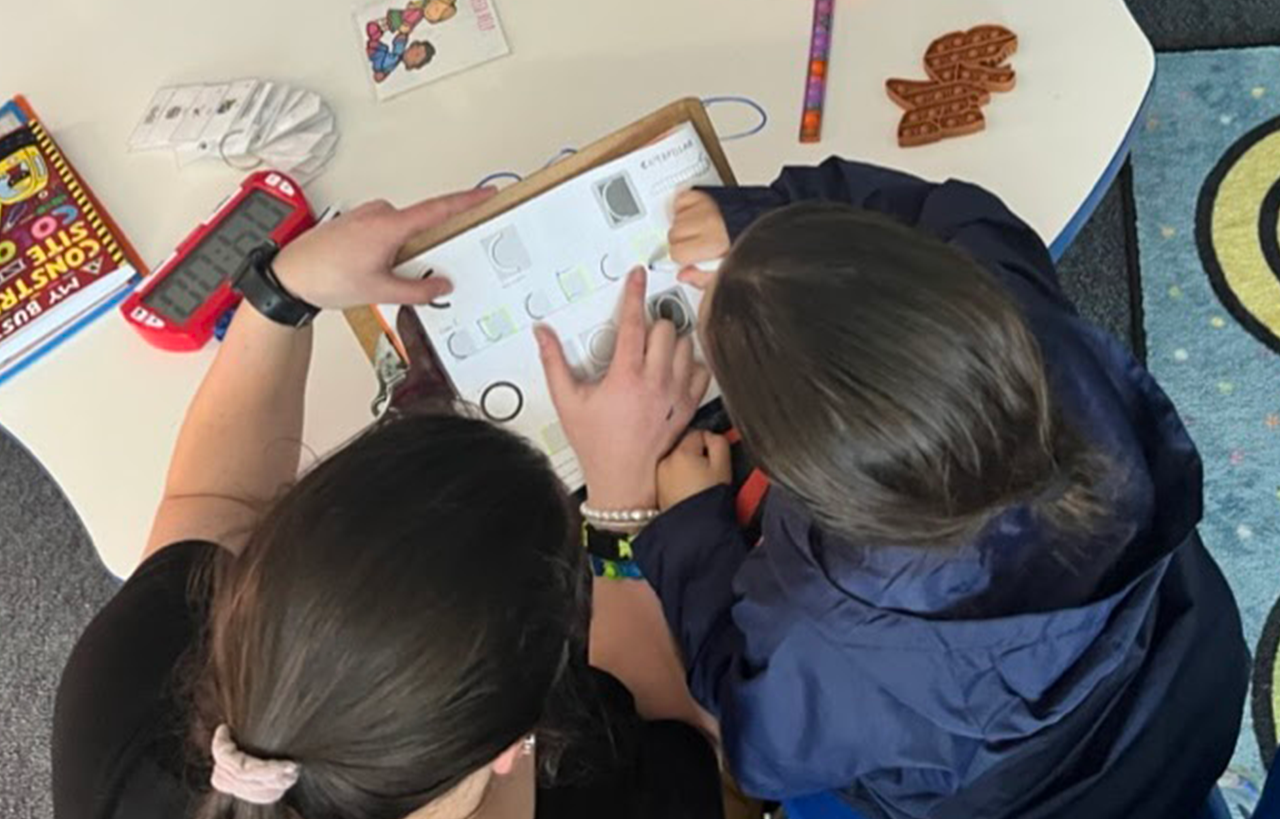
Behavior Academic Social Emotional (BASE) Classroom (separate setting)
The BASE classroom provides an intensive, structured, individualized special education program aimed at strengthening each student’s academic and organizational skills, social and emotional abilities, sense of responsibility, job skills, and self-esteem. Our goal is to get our students to the point where they can successfully access their gen-ed classrooms and the community. All students are encouraged, nurtured, respected, and supported in achieving their full potential in an enriching, positive environment. The goal of BASE is for students to generalize and apply the skills that they have acquired in the classroom – academic, social, and behavioral – to real-life contexts. The BASE classroom is designed to be a small class size and each BASE class is supported by an Education Specialist, Behavioral Support, and Paraeducators.
What is Specialized Academic Instruction (SAI)?
SAI is “Adapting, as appropriate to the needs of the student with a disability the content, methodology, or delivery of instruction to ensure access of the student to the general curriculum, so that he/she can meet the educational standards within the jurisdiction of the public agency that apply to all students”
Accommodations provide equity, not advantage
Equity vs. Equality
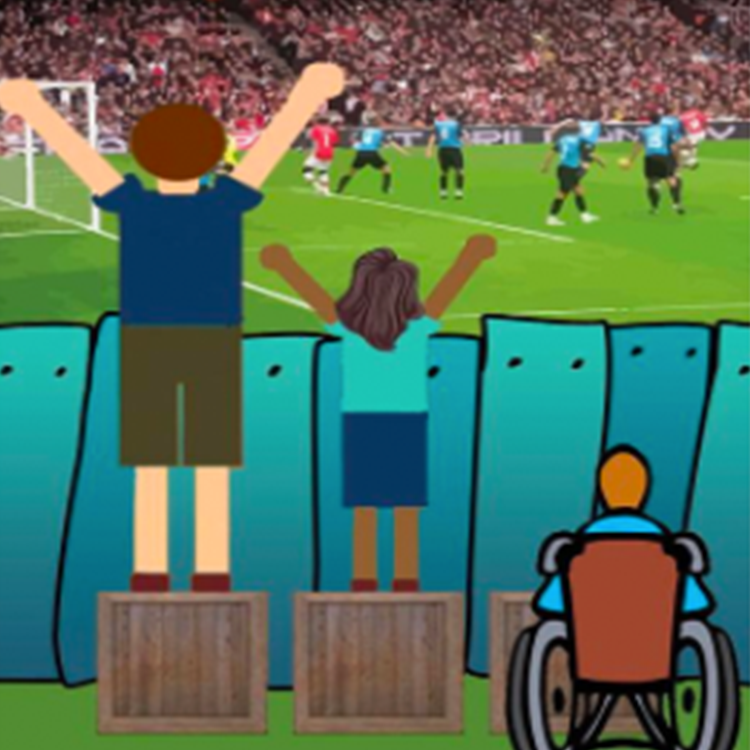
Same Treatment
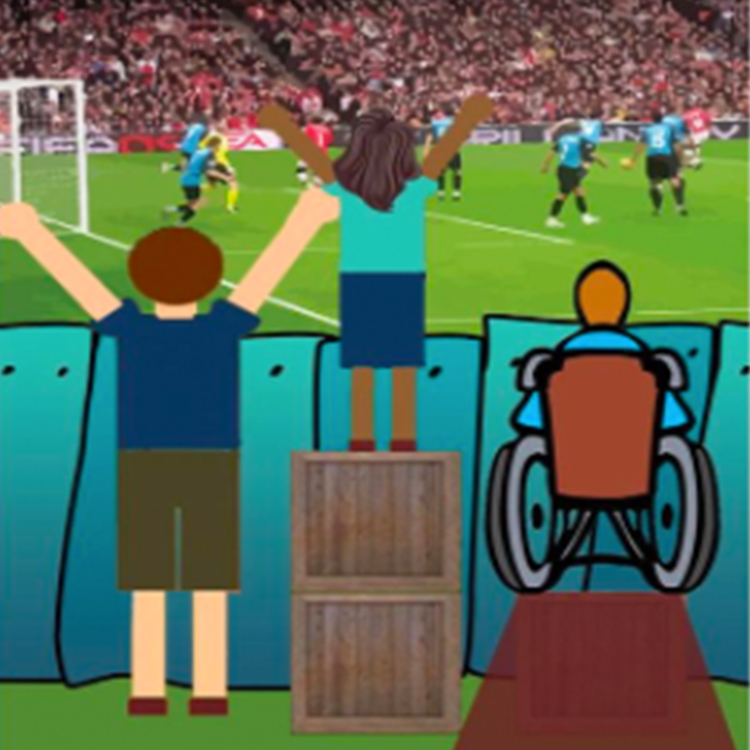
Equitable Treatment
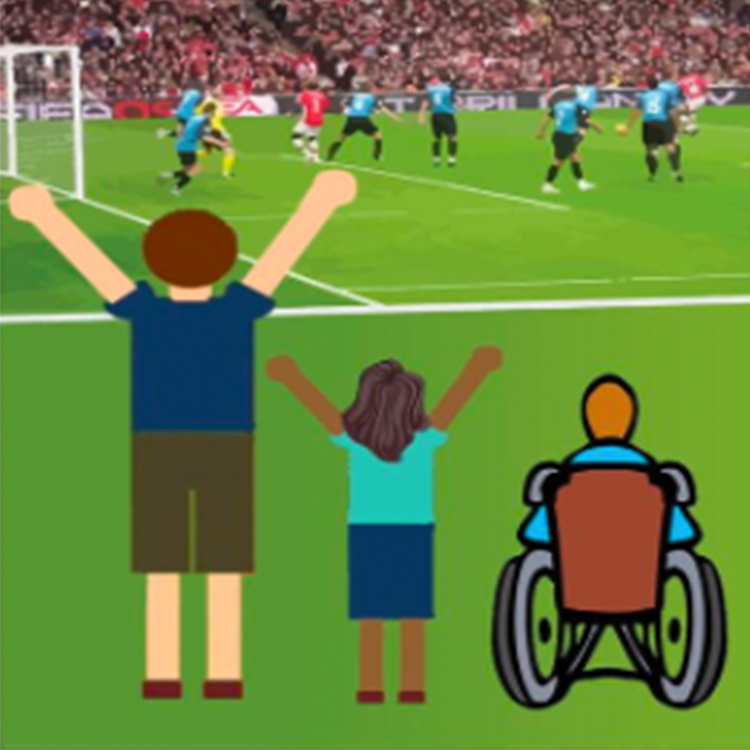
Systemic barrier has been removed. This is Equity.
Related Services
Speech Language Pathologists
(SLPs) specialize in language, speech, and hearing. They provide specialized instruction and services for individuals in pre-school (age 3) through adult transition. SLPs work with students exhibiting the full range of communication disorders, including those involving language, articulation (speech sound disorders), fluency, voice/resonance, and swallowing. SLPs assess to determine whether the disorder has an impact on a student’s academic progress. SLPs may also address personal, social/emotional, academic, and vocational needs tied to a student’s IEP goals.
Occupational Therapy (OT)
School occupational therapy (OT) services are part of a set of related services that support improving inclusionary practices and accessibility using Universal Design for Learning (UDL). OTs support a student’s ability to participate in daily school activities by reducing barriers that limit student participation within the school environment. OTs support curricular and extra-curricular activities within a student’s Individualized Education Program (IEP) including social skills, math, reading and writing (i.e., literacy), behavior management, recess, participation in sports, self-help skills, prevocational/vocational participation, transportation, and more.
OT and Speech and Language Services
play a role in educating parents, educators, administrators, and other staff members regarding strategies that may benefit student access. They offer services along a continuum of prevention, promotion, and interventions and serve individual students, groups of students, whole classrooms, and whole school activities. They collaborate within the student’s IEP team to support IEP goals related to the student’s disability. OTs and SLPs can collaborate and consult within general and special education classrooms. They monitor student progress on a regular basis and provide information for IEP reviews.
In order to for IEP teams to consider OT and Speech and Language services, an assessment is completed to determine if OT and/or Speech and Language services are needed to support a student’s specialized academic program. Speech and Language Services can be a stand-alone service, however, OT cannot be a stand-alone related service.
School Psychologists
are uniquely qualified members of school teams that support students’ ability to learn and teachers’ ability to teach. They apply expertise in mental health, learning, and behavior, to facilitate the educational and emotional development of all students by working collaboratively with school staff, families, and community agencies. Data-based decisions drive the recommendation of psychoeducational services which promote the mental health, welfare, and education of our students. School psychologists lead assessments in identifying qualifications for one of the 13 disability categories and offer their recommendations for special education services.
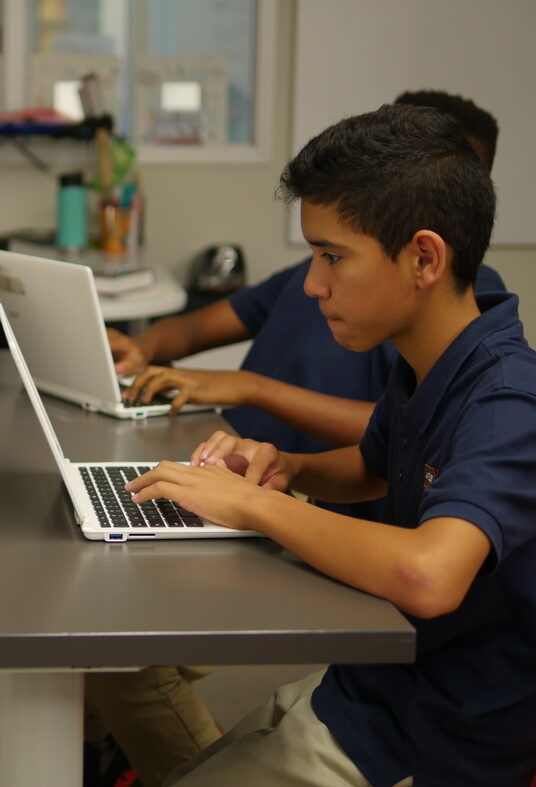

Special Education and Mental Health Services
Did you know that AEA has staff who can help you access mental health and special education services? If you have questions or concerns, please do not hesitate to contact us. Our staff will be able to help you with initiating services in school or they will connect you to an outside agency to help meet the needs of your student and your family.
In addition, please click here for information on Child Find which helps to identify, locate, and evaluate children and youth ages 3 to 21 years of age who are suspected of having or have a disability or developmental delay, in order to provide appropriate special education services under the law.
Click here for information about the El Dorado Charter Special Education Local Plan Area (SELPA)
Special Education Coordinator
Anna Klin
Phone Number
(619) 780-0400
aklin@aeacs.org